
Loading…
Mon–Fri 9:00am – 5:00pm · Sat Closed11 Wharf Road, GU12 5AZ
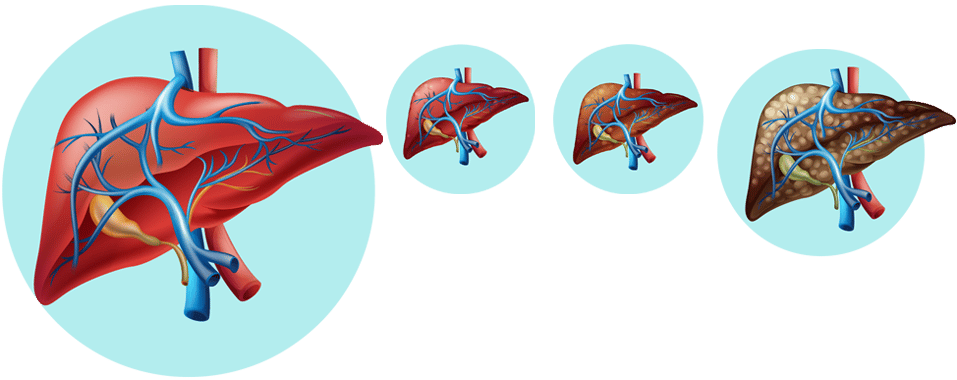
Hepatitis is a liver condition primarily caused by viruses, although it can also result from toxic substances or autoimmune disorders. Untreated, hepatitis can lead to fibrosis (scarring), cirrhosis, and in severe cases cancer. There are five recognised types of hepatitis: A, B, C, D, and E. Hepatitis A and E are often contracted through contaminated food or water. Types C and D typically spread through contact with infected body fluids. Hepatitis B is commonly transmitted from mother to baby during childbirth, between family members, or through sexual contact. Vaccines are available for hepatitis A and B.
Common destinations
Hepatitis is a liver condition primarily caused by viruses, though it can also result from toxic substances or autoimmune disorders. Untreated, it can lead to scarring, cirrhosis, and in severe cases cancer. There are five recognised types: A, B, C, D, and E. Hepatitis A is often spread through contaminated food or water, while hepatitis B spreads through infected body fluids and from mother to baby. Vaccines are available for hepatitis A and B.
Consider vaccination if you plan to visit a country where hepatitis is prevalent or engage in higher-risk activities:
According to the World Health Organisation, the hepatitis A vaccine is between 98% and 100% effective against the virus, and the hepatitis B vaccine is between 94% and 100% effective.

Acute hepatitis can occur with limited or no symptoms, but common indicators include:
